

How Audi Made the New A2 e-tron Its Most Efficient Model Ever

[Source: Audi]
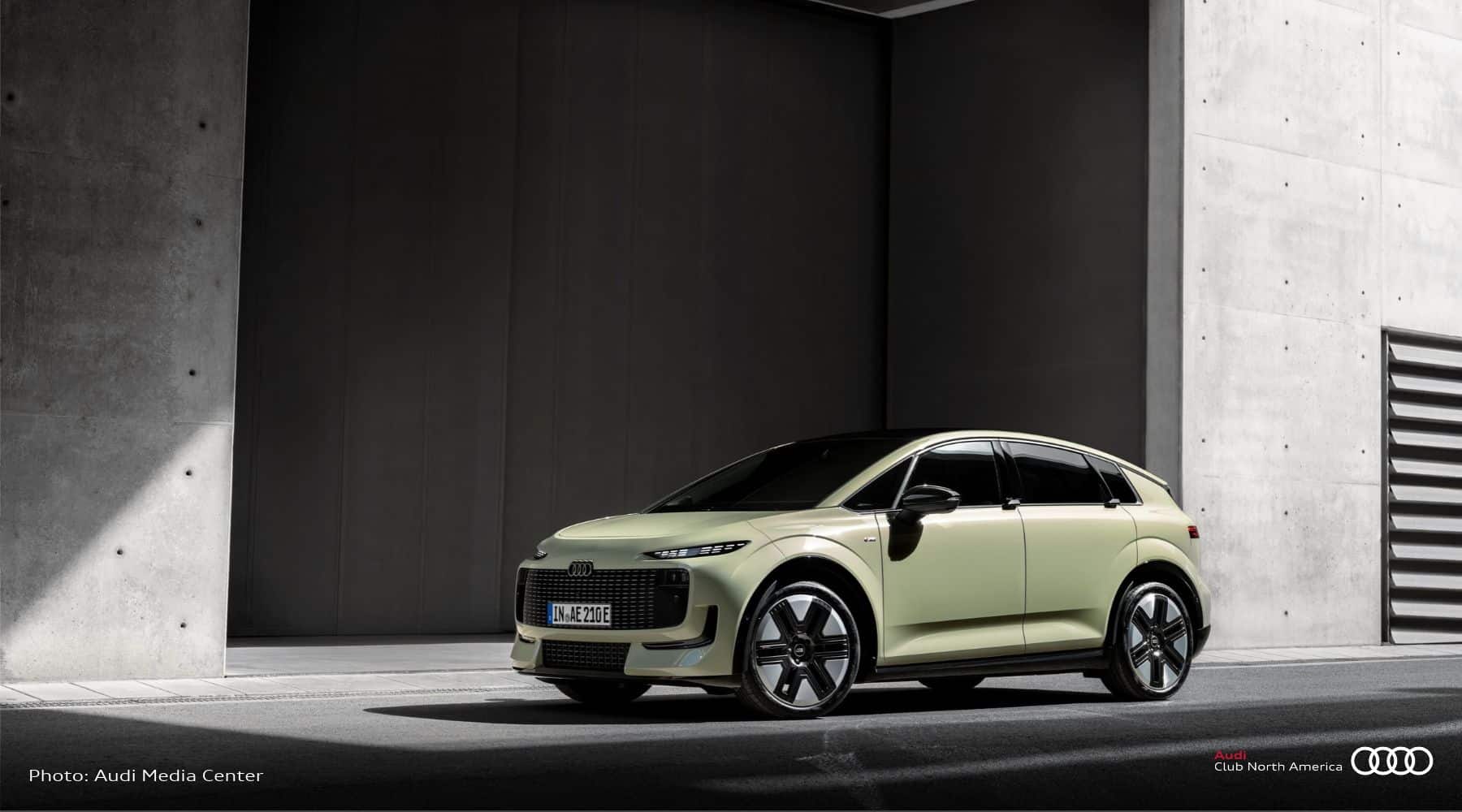
When it comes to electric vehicles, range gets most of the attention. Bigger batteries and increasingly impressive range estimates dominate the headlines. But there’s another way to make an EV travel farther, use less energy in the first place. That’s exactly what Audi has done with the new A2 e-tron, which the company says is the most efficient vehicle it has ever produced.
With an optional efficiency package, the 140-kW (188-horsepower) A2 e-tron consumes just 12.8 kWh per 100 kilometers (62 miles) under the European WLTP testing cycle. That’s an impressive number, but achieving it required more than simply making the vehicle smaller and more aerodynamic. Audi engineers also focused on improving nearly every component of the electric drivetrain.
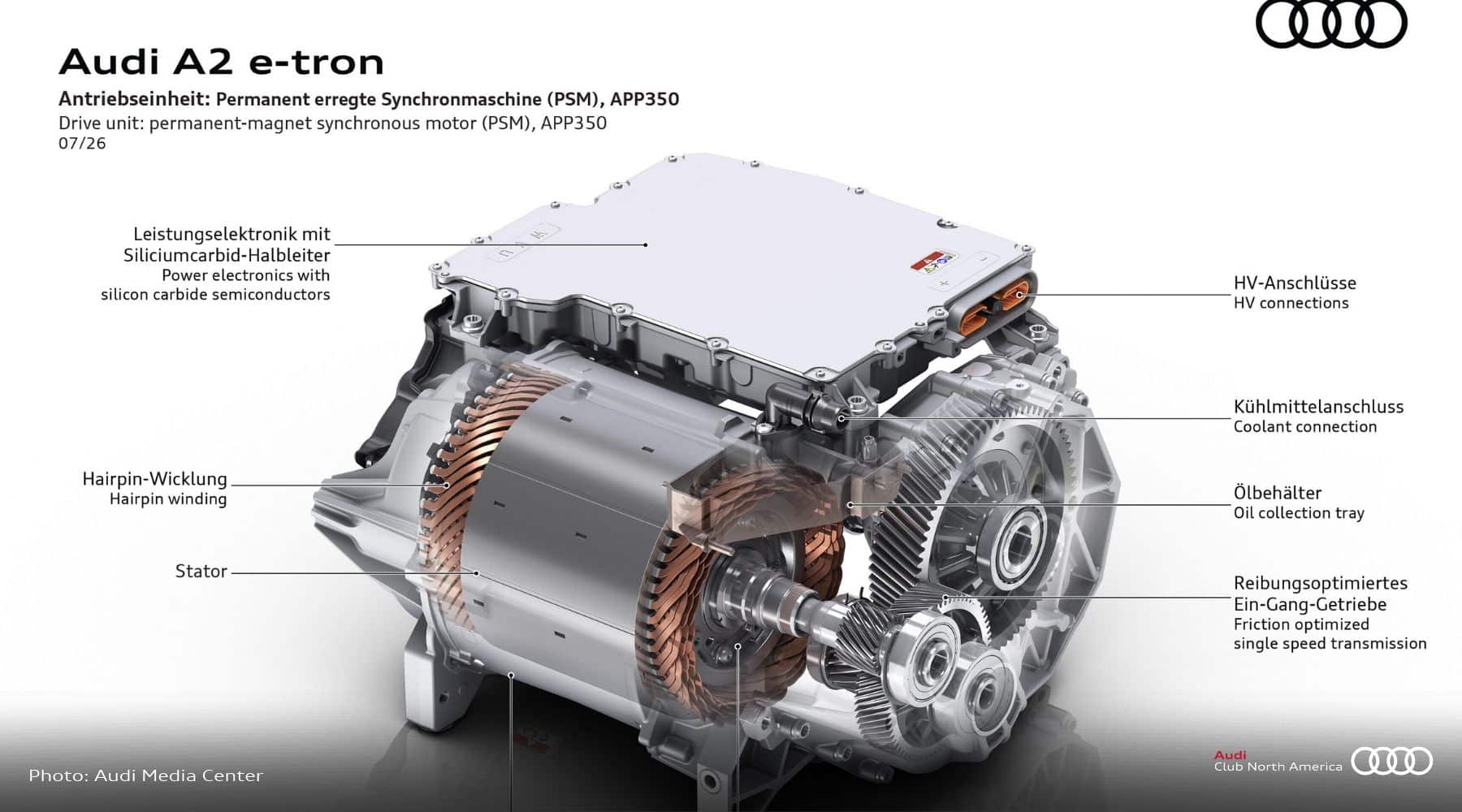
The A2 e-tron uses an updated version of Volkswagen Group’s APP350 permanent-magnet synchronous motor, mounted at the rear axle. It produces up to 350 Nm (258 lb-ft) of torque and operates on a 400-volt electrical architecture. One of the biggest improvements involves the power electronics. Audi replaced conventional silicon-based transistors with silicon-carbide semiconductors, reducing electrical losses and allowing the inverter to operate at more than 97 percent efficiency. New software also adjusts switching frequencies based on driving conditions, further reducing energy consumption during everyday driving.
The electric motor itself received several updates. Thinner rotor laminations reduce magnetic losses, while revised stator windings improve efficiency. Audi also changed the arrangement of the rotor segments to reduce unwanted vibrations and annoying high-frequency noises. Even the transmission received attention. Optimized gear ratios help keep the electric motor operating efficiently, while smoother gear surfaces and specially developed low-viscosity oil reduce internal friction.
Individually, these changes might seem relatively minor. Combined, they help the A2 e-tron extract more useful energy from its battery while delivering a quieter driving experience. It’s an interesting approach at a time when manufacturers seem determined to compete on battery size and maximum range. Audi is demonstrating that improving efficiency can be just as important as adding more battery capacity.
Unfortunately, the A2 e-tron is not currently planned for the U.S. market. But the engineering lessons learned from Audi’s most efficient model could benefit future electric vehicles that do make it stateside.


Responses