

Audi’s Latest Patents Hint at Electric Cars With Gasoline Range Extenders


[Source: CarBuzz]
Range anxiety remains one of the biggest concerns for potential electric vehicle buyers. Even as battery technology improves, EVs become more efficient, and charging infrastructure expands, plenty of drivers aren’t ready to give up the convenience of filling a gas tank in a few minutes. Audi might have a solution that combines the best of both worlds. Recently uncovered patent applications suggest the German automaker is exploring ways to equip electric vehicles with small gasoline engines that generate electricity, potentially allowing drivers to travel much farther without stopping to recharge.
According to a report from CarBuzz, Audi has filed patents describing technology for extended-range electric vehicles, commonly known as EREVs. Unlike traditional hybrids, which can use gasoline engines to drive the wheels directly, EREVs rely primarily on electric motors for propulsion. The gasoline engine acts as a generator, producing electricity to help maintain battery charge and extend the vehicle’s driving range. It’s not an entirely new concept, but Audi’s approach could make the technology easier to incorporate into future vehicles.
Gasoline Engines Could Find a New Role
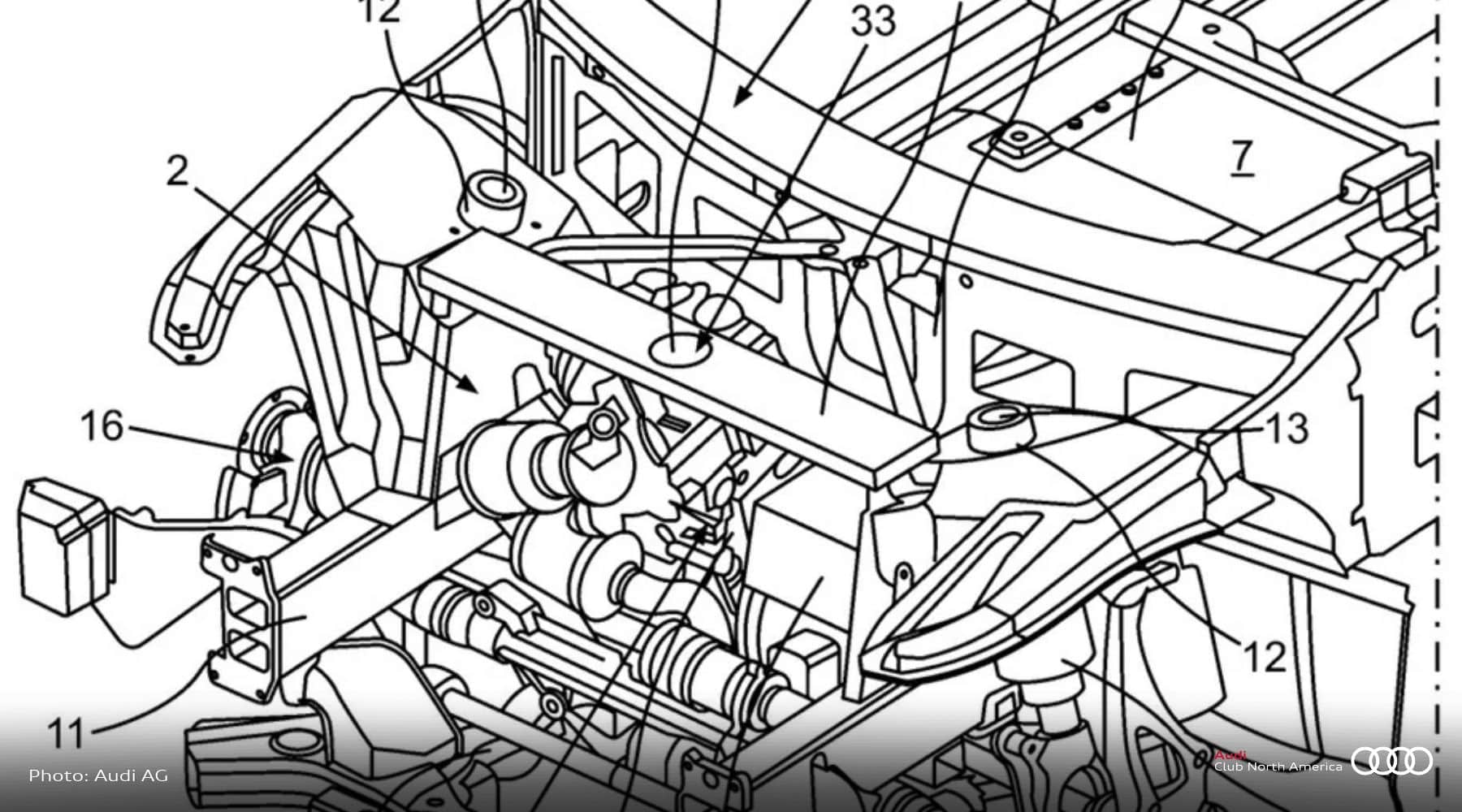
One of the patents reportedly addresses how a range-extending combustion engine could be packaged within a vehicle originally designed around an electric powertrain. Packaging is an important consideration because dedicated EV platforms typically aren’t designed to accommodate gasoline engines, fuel tanks, exhaust systems, and other conventional components. Another patent focuses on the software controlling the range extender. Rather than simply starting the gasoline engine whenever the battery reaches a certain charge level, the system could determine when operating the generator would be most efficient. That could help reduce fuel consumption while preserving the driving experience associated with an electric vehicle.
For drivers, the potential benefits are obvious. An EREV could handle everyday commuting primarily on battery power while offering additional flexibility for longer trips. Instead of searching for a charging station when the battery runs low, drivers could rely on the onboard generator to keep moving.
Is Audi Rethinking Its Electric Future?

The patents arrive as automakers continue evaluating how quickly customers are willing to transition to fully electric vehicles. Range extenders could provide another option for buyers who appreciate electric propulsion but aren’t comfortable relying entirely on charging infrastructure. Of course, patents don’t guarantee production vehicles. Automakers regularly protect technologies that never reach showrooms, and Audi hasn’t announced plans to introduce an EREV model based on these filings.
There are also compromises. Adding a gasoline engine increases mechanical complexity, weight, and cost compared with a conventional battery-electric vehicle. Still, the patents suggest Audi is considering alternatives to the traditional choice between gasoline and electric power. For enthusiasts who enjoy the performance and refinement of Audi’s electric vehicles but aren’t ready to give up the convenience of gasoline, that could be welcome news.


Responses