

Audi Looks Beyond a Challenging 2026 With an Ambitious Plan for Growth

[Source: Audi]
Audi has faced its share of challenges in 2026, but the German automaker isn’t standing still. With an expanding model lineup, growing demand for plug-in hybrids, and ambitious plans for the U.S. market, Audi is taking steps to strengthen its position and prepare for future growth.
In its latest financial report, Audi acknowledged that the first nine months of 2026 have been difficult. Worldwide deliveries for the Audi brand declined 11.4 percent to 1,042,150 vehicles, while Audi Group revenue fell to €42.1 billion (approximately $47.2 billion). Operating profit reached €1.2 billion (approximately $1.34 billion), down from approximately €1.6 billion ($1.79 billion) during the same period last year.
Much of the pressure came from increasingly competitive global markets, particularly China, where Audi deliveries declined 24.5 percent. North American deliveries also fell 17.3 percent. However, there were several encouraging developments. European deliveries increased 1.3 percent, while Audi’s home market of Germany recorded growth of 1.8 percent. Demand for plug-in hybrids was particularly strong, with worldwide deliveries increasing an impressive 103 percent. Perhaps more importantly for Audi enthusiasts, the company’s product offensive is gaining momentum.
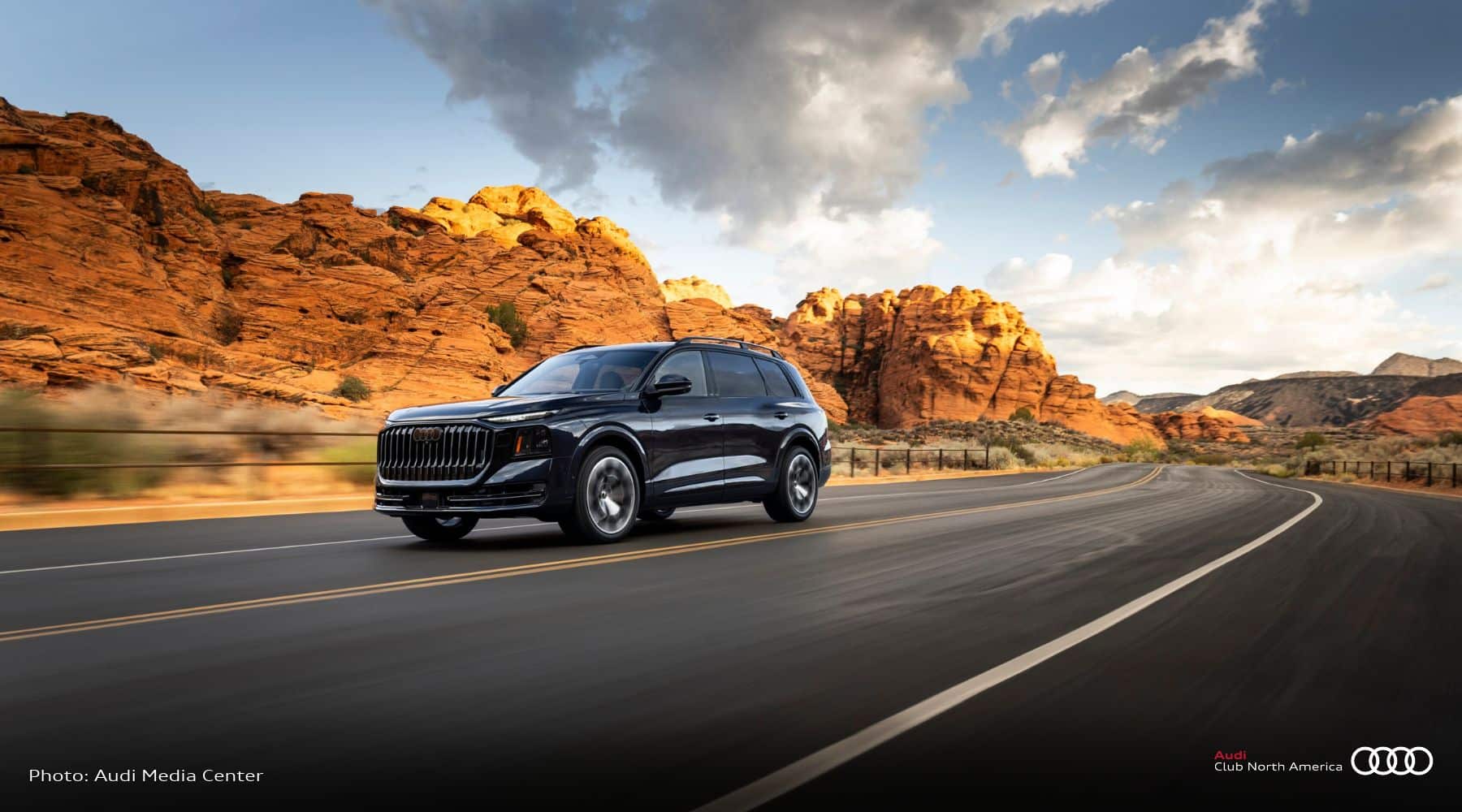
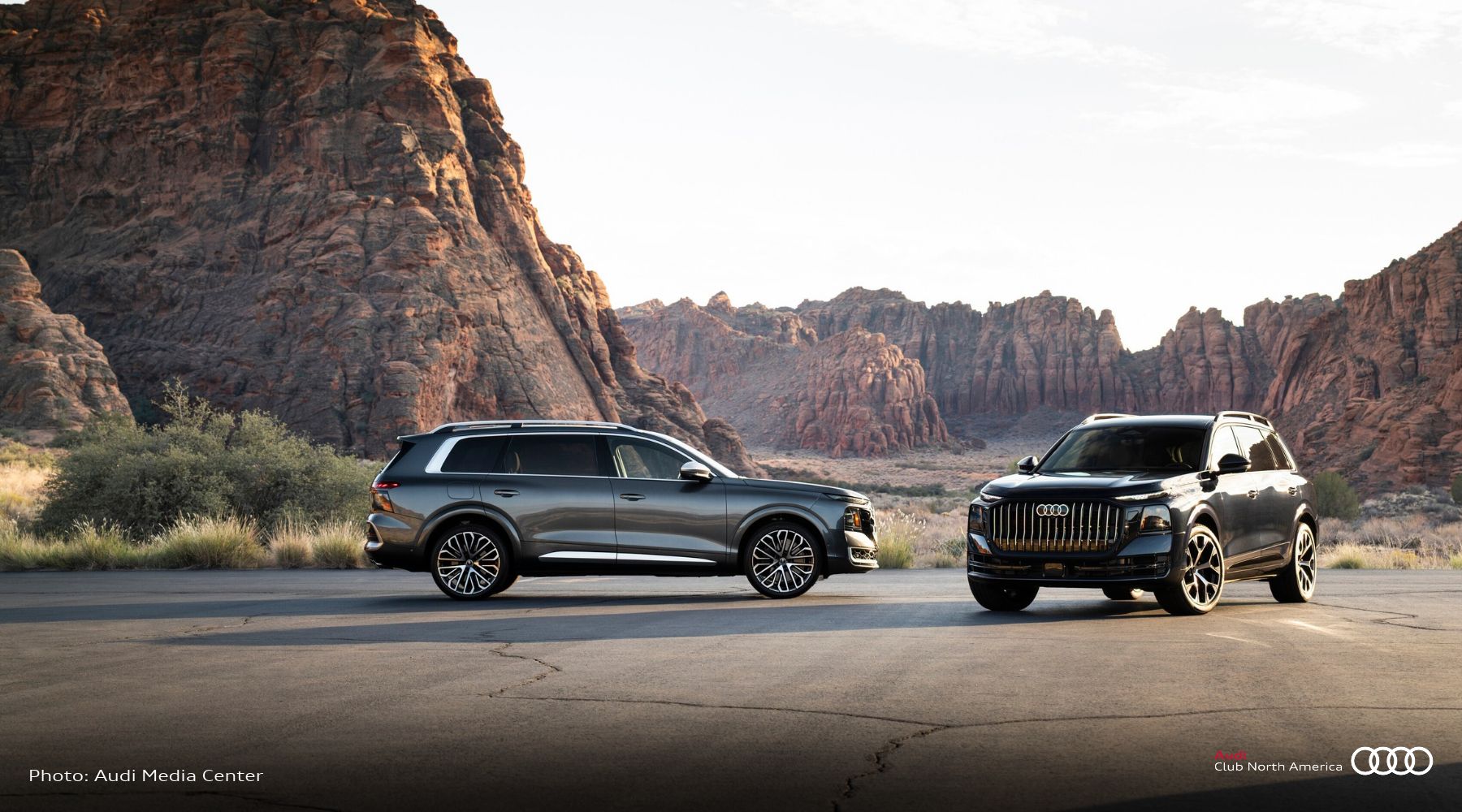
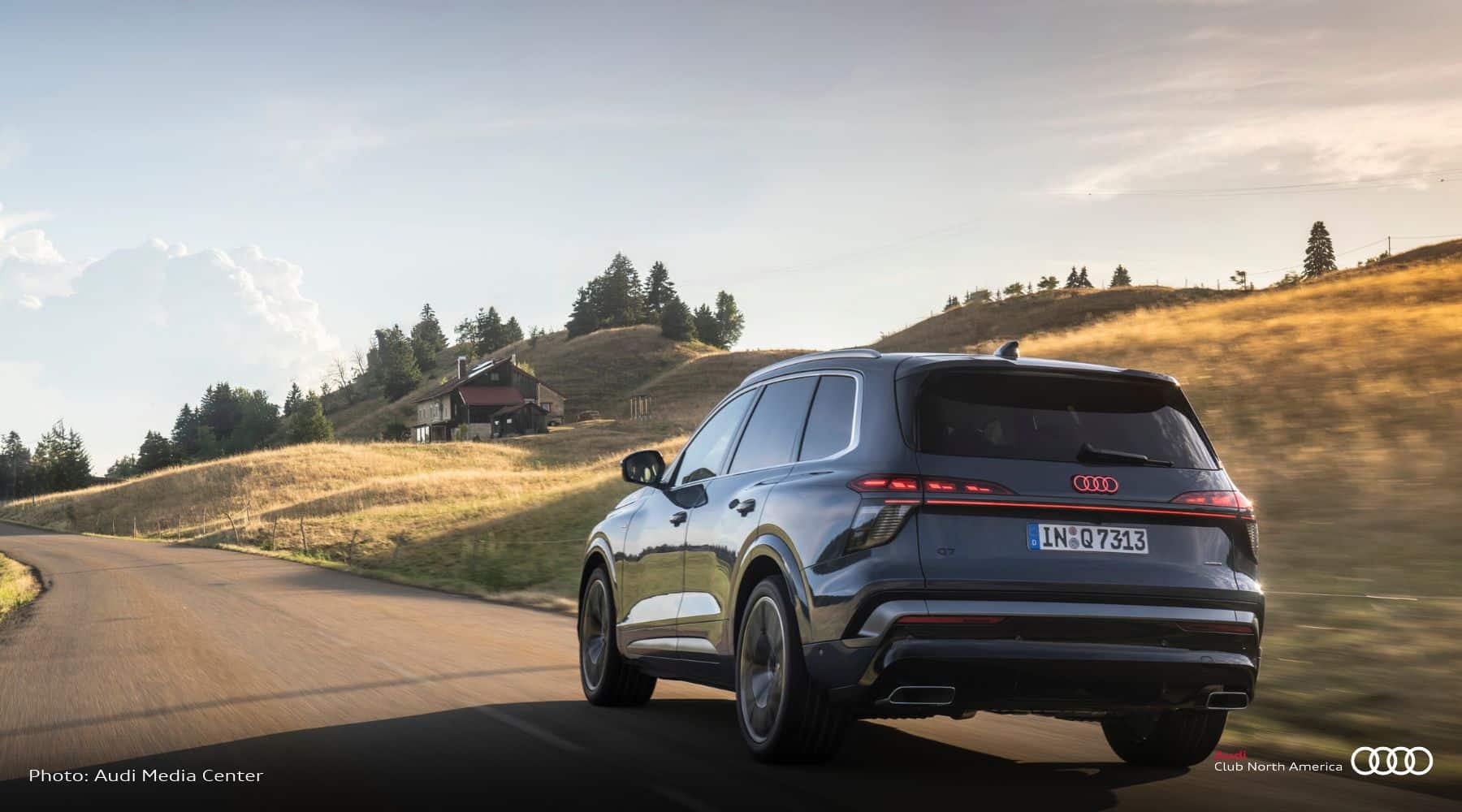
The new Audi Q9 arrives in Europe in November, giving the brand a larger luxury SUV positioned above the Q7. Both models are particularly important to Audi’s plans for the United States, where the company is also planning local production to strengthen its long-term competitiveness.
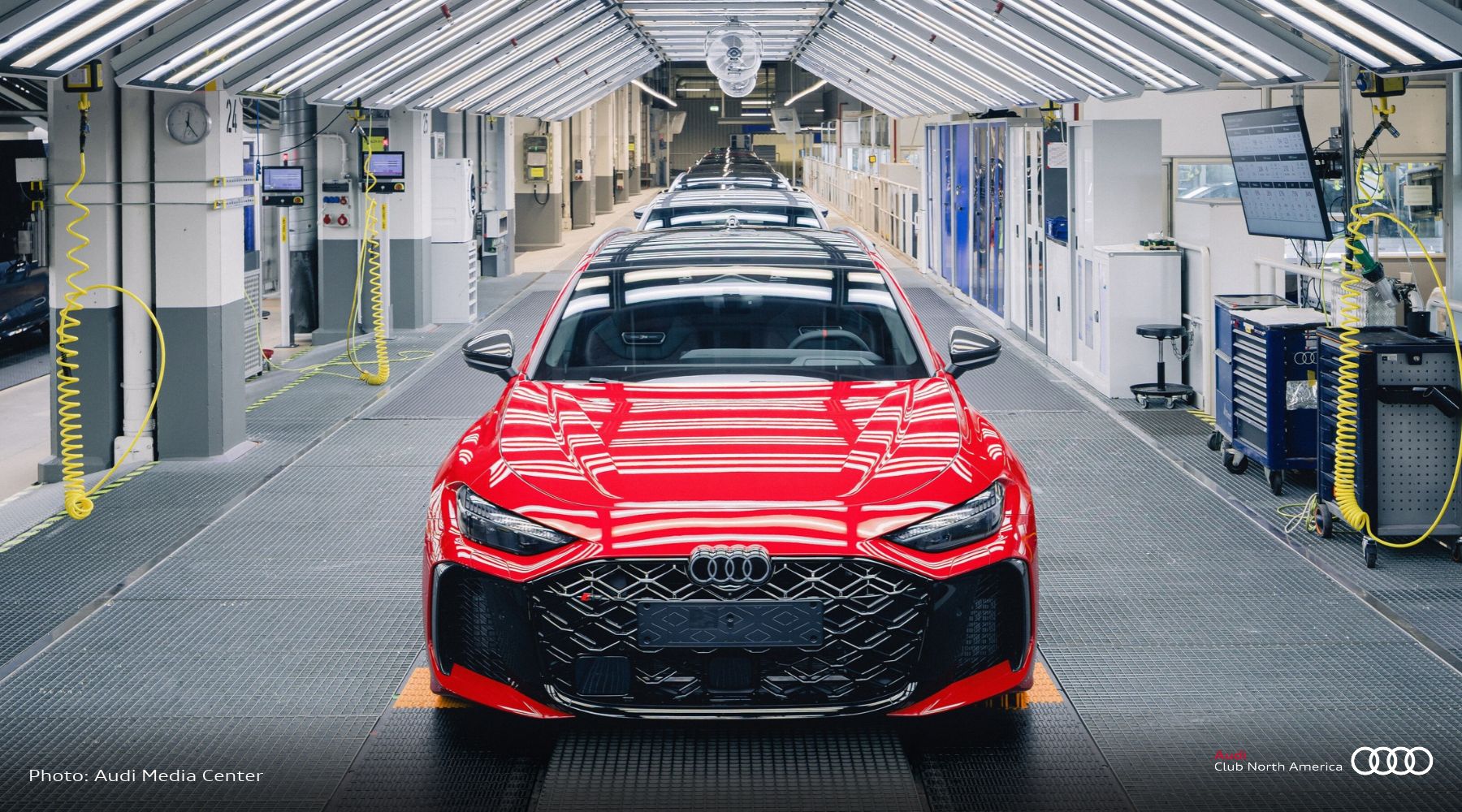
Meanwhile, the fully electric A2 e-tron begins arriving at European dealerships in December. Developed 21 months faster than comparable predecessor models, the compact EV demonstrates Audi’s efforts to streamline development and bring new vehicles to market more efficiently. Performance enthusiasts also have something to celebrate. Audi reports that demand for the new RS 5, its first RS plug-in hybrid, has exceeded expectations. The entire planned 2026 production is already sold out, with European orders approaching twice the anticipated volume.
Behind the scenes, Audi is working to reduce costs, simplify operations, and invest in technologies including artificial intelligence, software, and advanced driver assistance systems. Audi CEO Gernot Döllner emphasized that the company is balancing improvements to its current operations with investments in future products and technologies.
There is no denying that Audi faces significant challenges, and its financial recovery won’t happen overnight. However, with new vehicles arriving, encouraging demand for performance models, and a renewed focus on competitiveness, Audi is laying the groundwork for a stronger future.


Responses