

Got Groceries? Nik Corbeil’s RS 6 Avant C5

By: Ryan Ponto, photos: Karl Lee
Original Printing: quattro Magazine Q3_2024
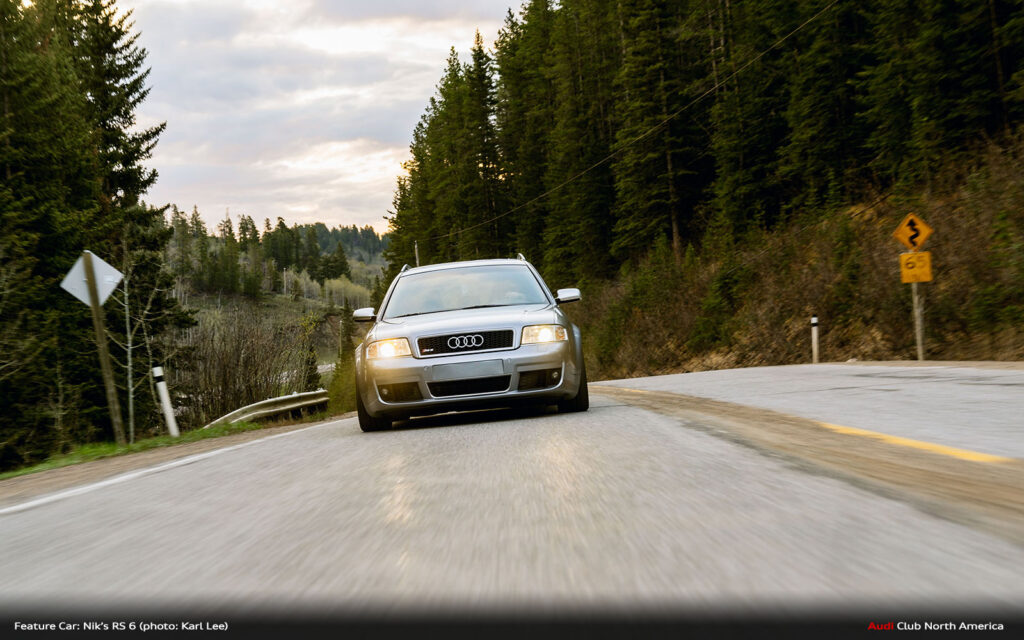
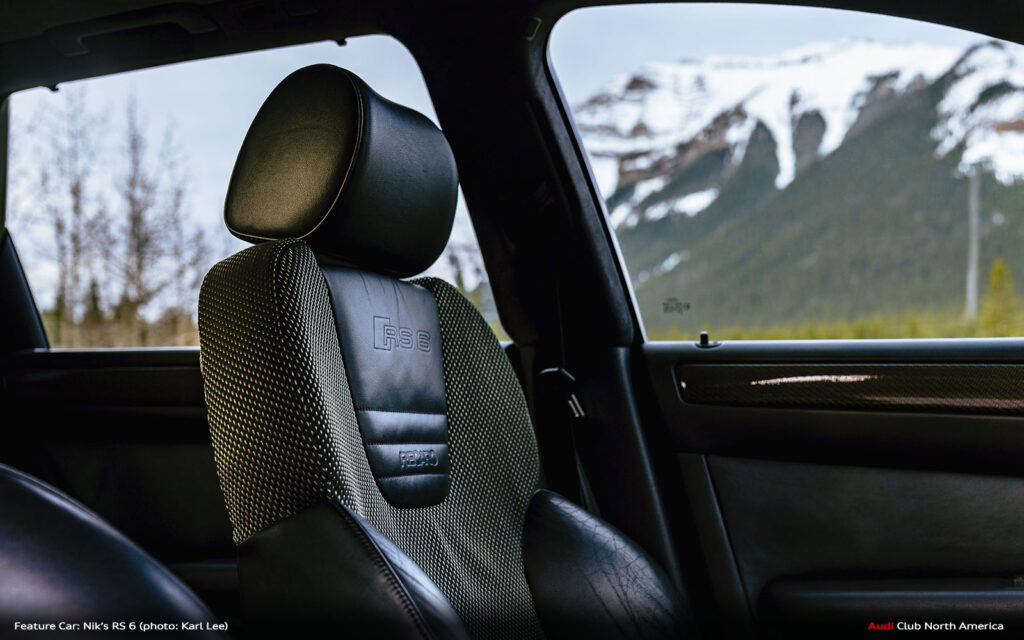
How fast does one need to be for a grocery run? What’s the quickest lap time between home and the hardware store? Perhaps these are some of the questions engineers consider when designing a legendary performance Avant.
Nik Corbeil, from Calgary, Alberta, has been a fan of Audi since he was a teen. He was drawn to the brand primarily by the design language, more specifically the Bauhaus avantgarde look and feel exhibited in the late 1990s and early 2000s. His first Audi was a B5 A4 and he’s not looked back since.
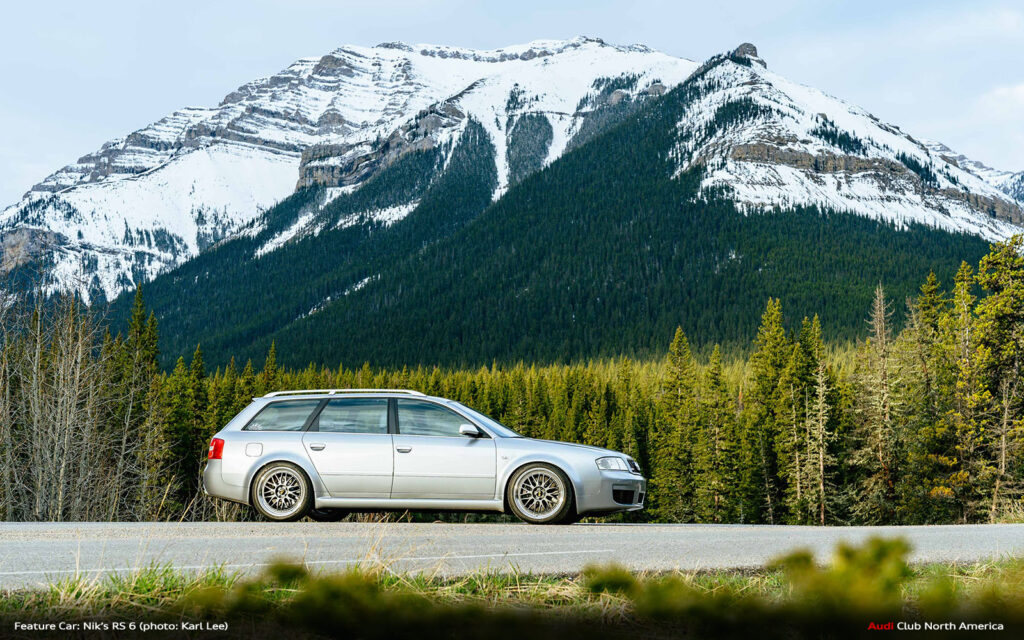
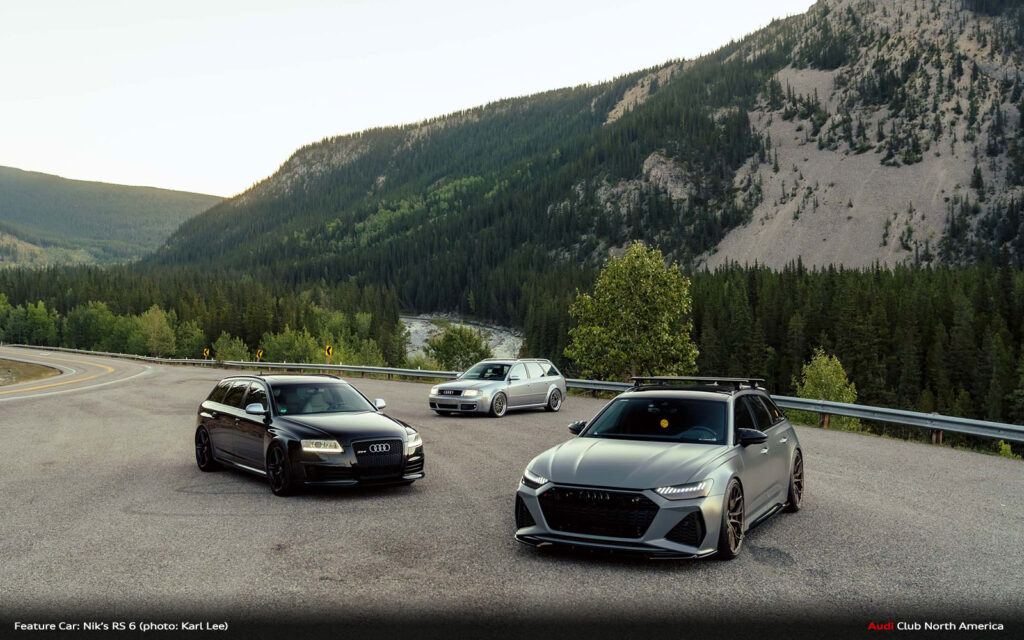
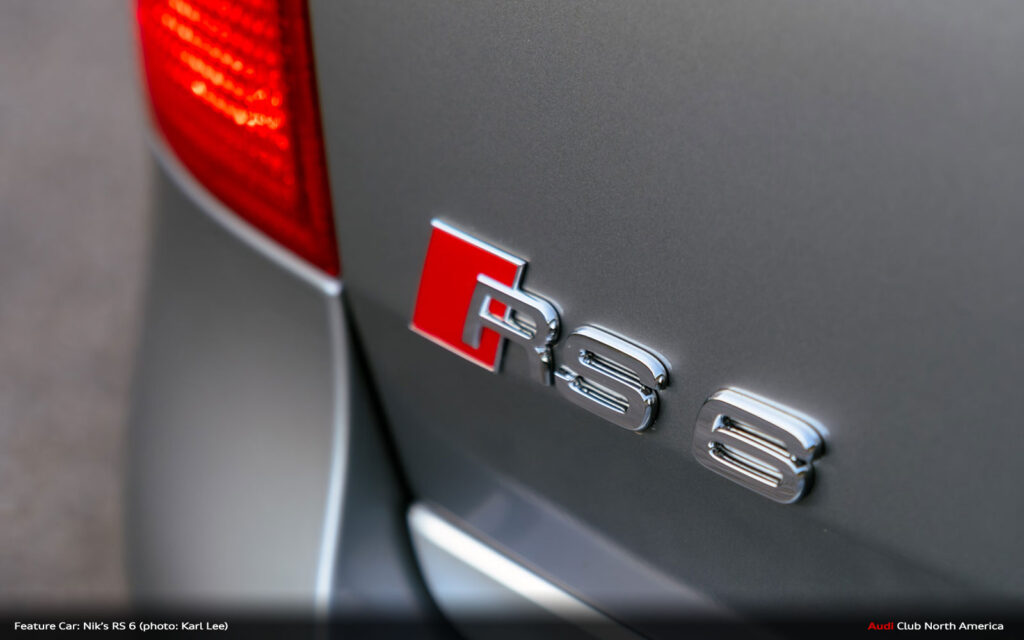
The first time Nik saw an RS 6, he was in Colorado and the car was rumbling out of a parking garage in Vail. It emanated so much power, plus that stocky widebody presence… albeit it was a sedan. Not too long after he learned there was an Avant… a station wagon with 444 hp and 428 lb ft torque? Nik thought it was the coolest thing – the forbidden fruit of performance wagons. Sadly, the Avant was not sold in Canada, and so his long wait began, aware that he would be able to get his own after 15 years thanks to Canadas import laws.
The RS 6 in question was brought to Canada in late 2019 and Nik purchased it shortly after that in 2020. The car needed some attention that a lot of Japanese market cars require after sitting barely touched for years, so he quickly got to work. The factory dynamic ride control suspension, prone to failure in the C5 chassis, was replaced by a set of Bilstein coilovers. The fuel system needed a lot of work as well – the fuel tank swapped with a donor from an allroad while fuel lines were all replaced. Fresh brakes and belts were also installed. The Japanese stereo was replaced with a Sony head unit and custom brackets in order to finalize its entry into Canadian life.

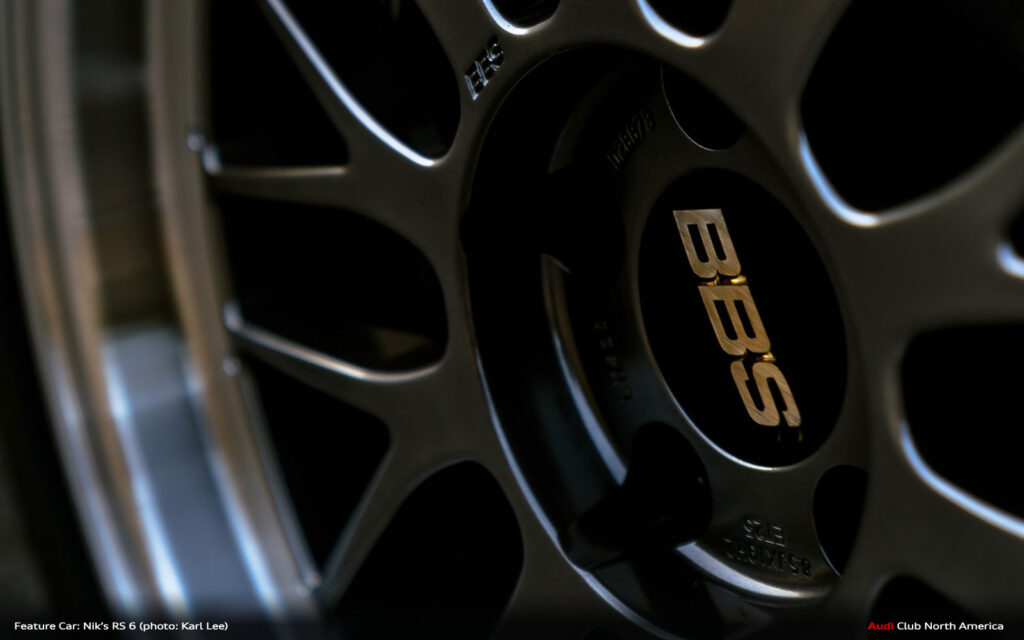
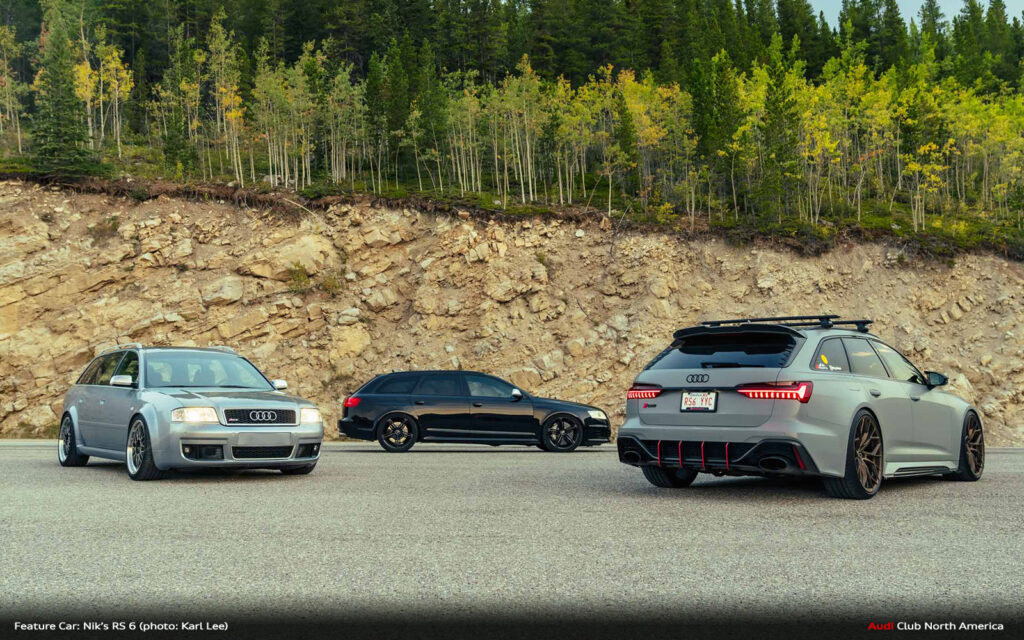
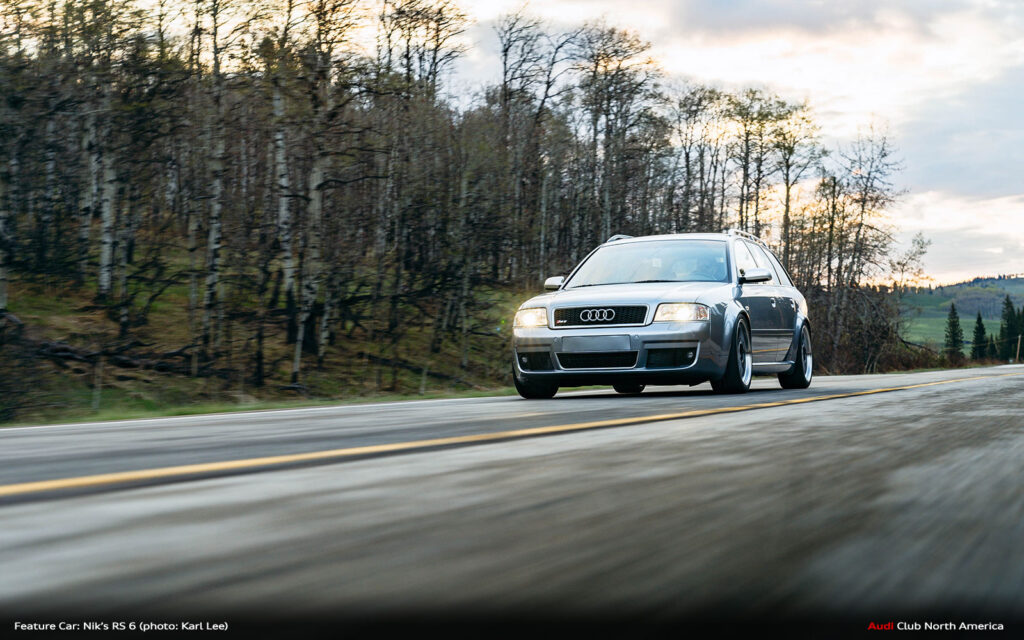
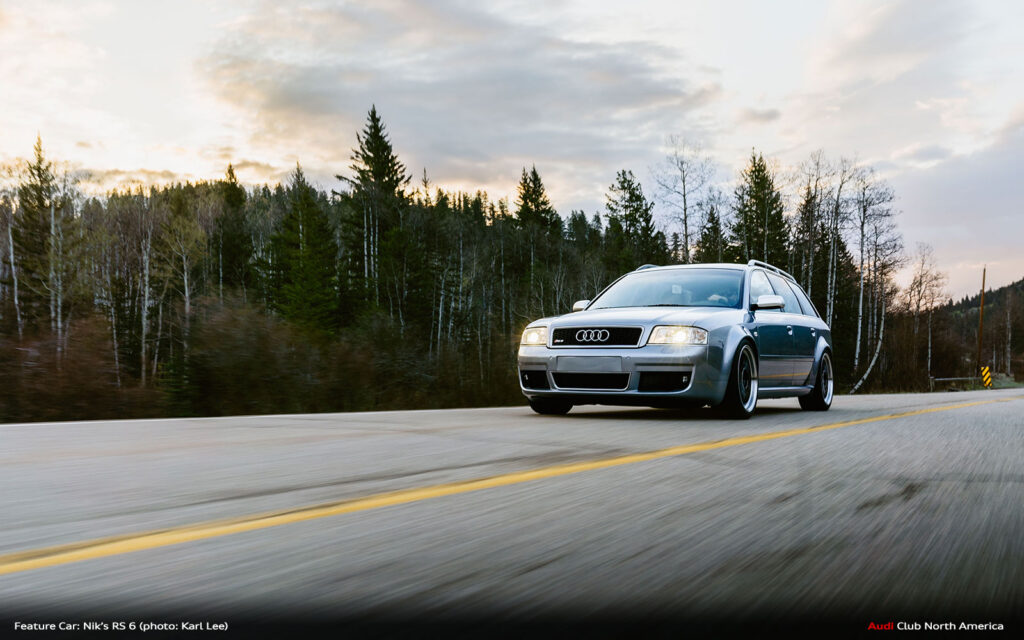
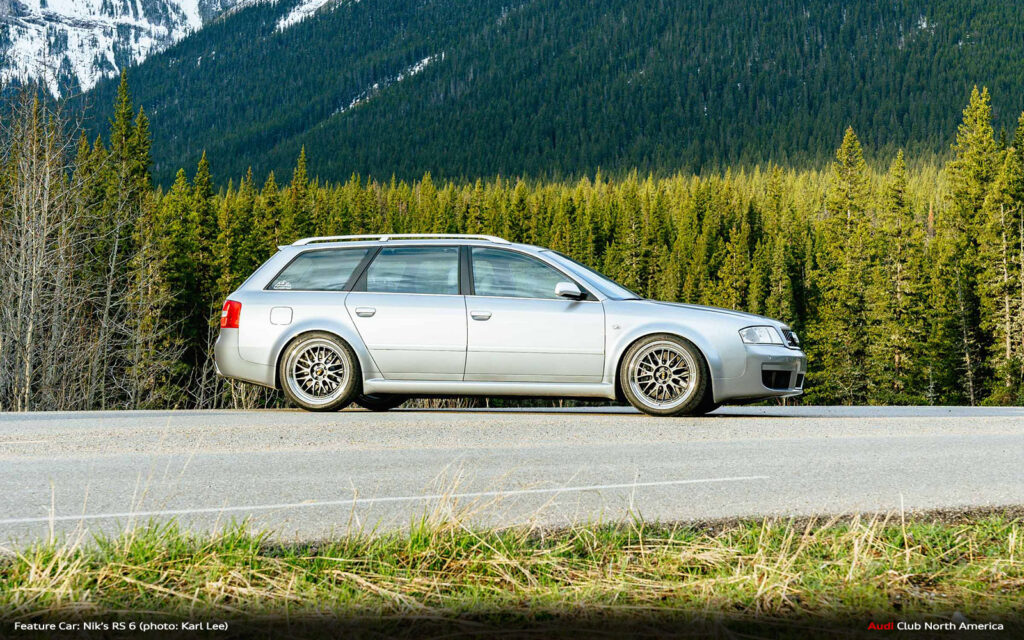
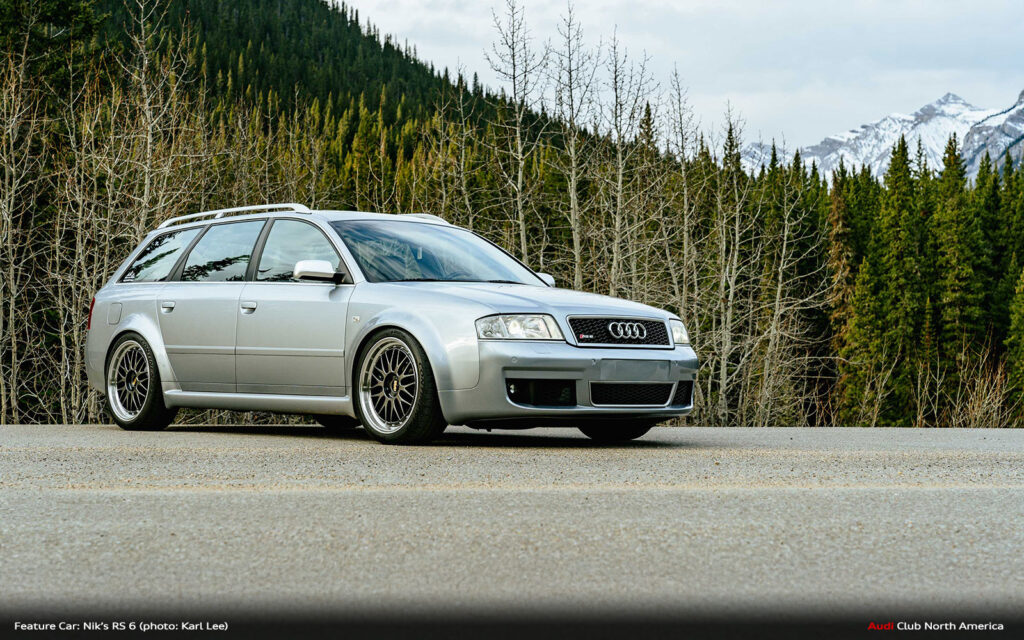
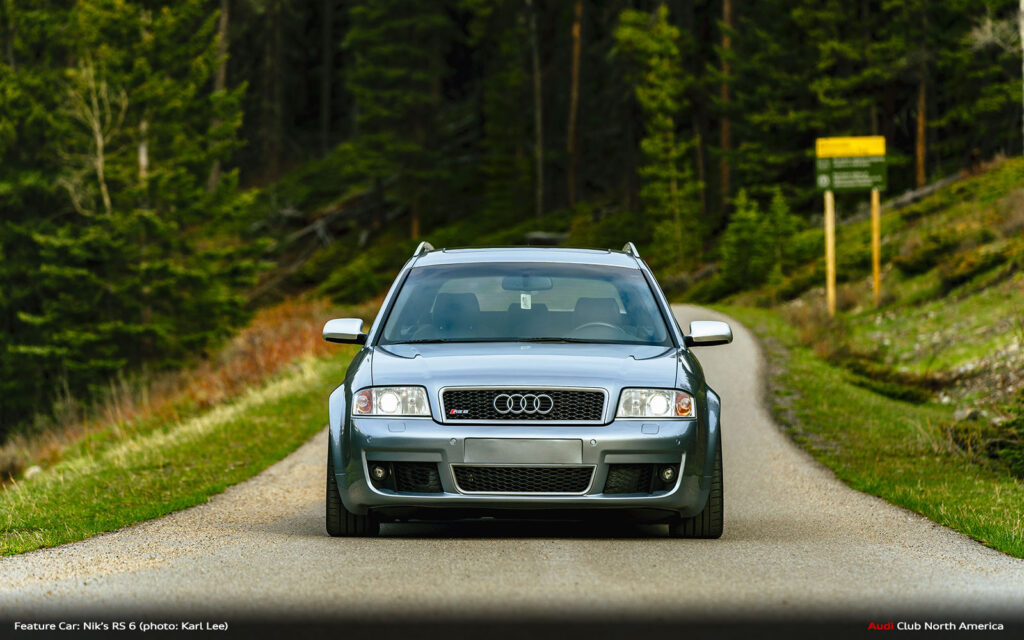
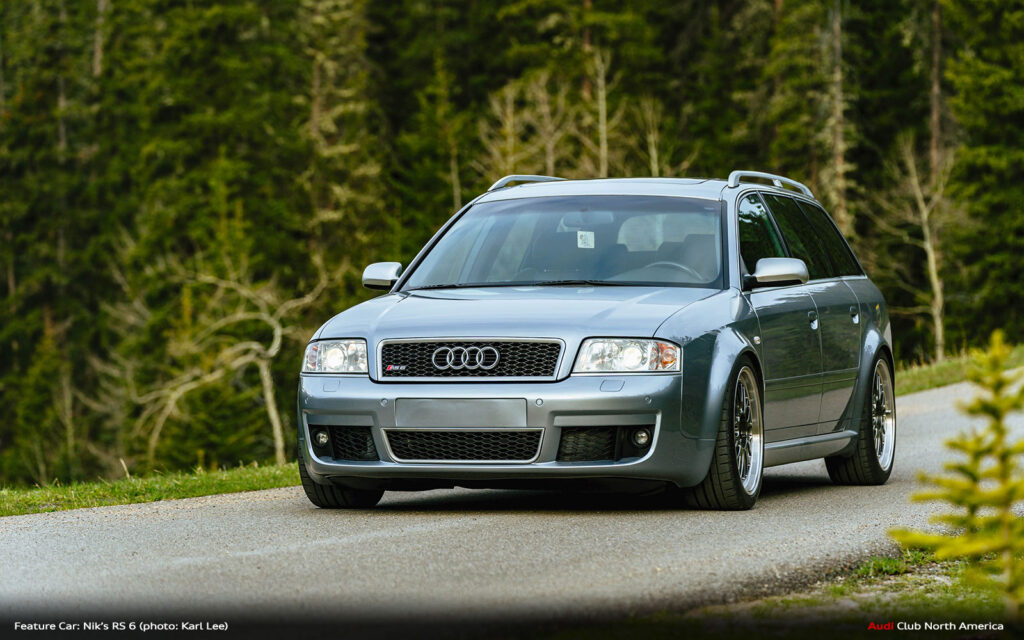
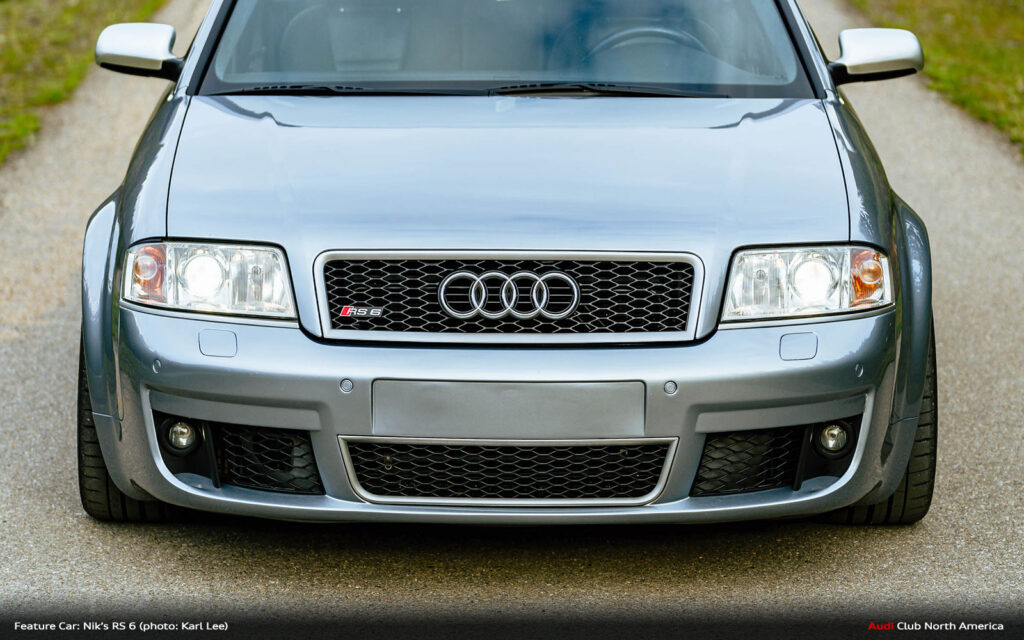
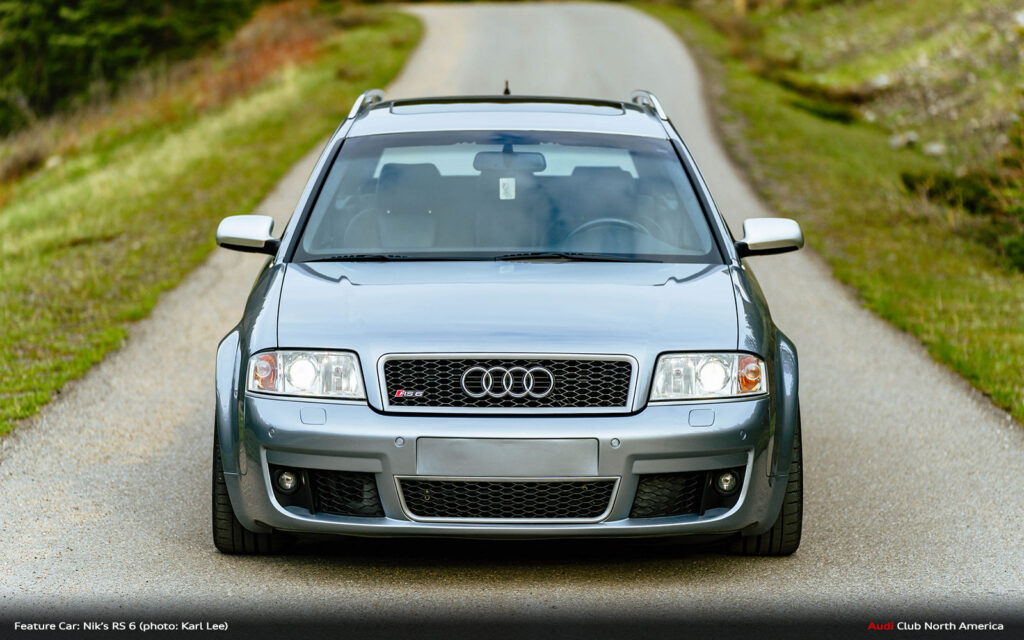
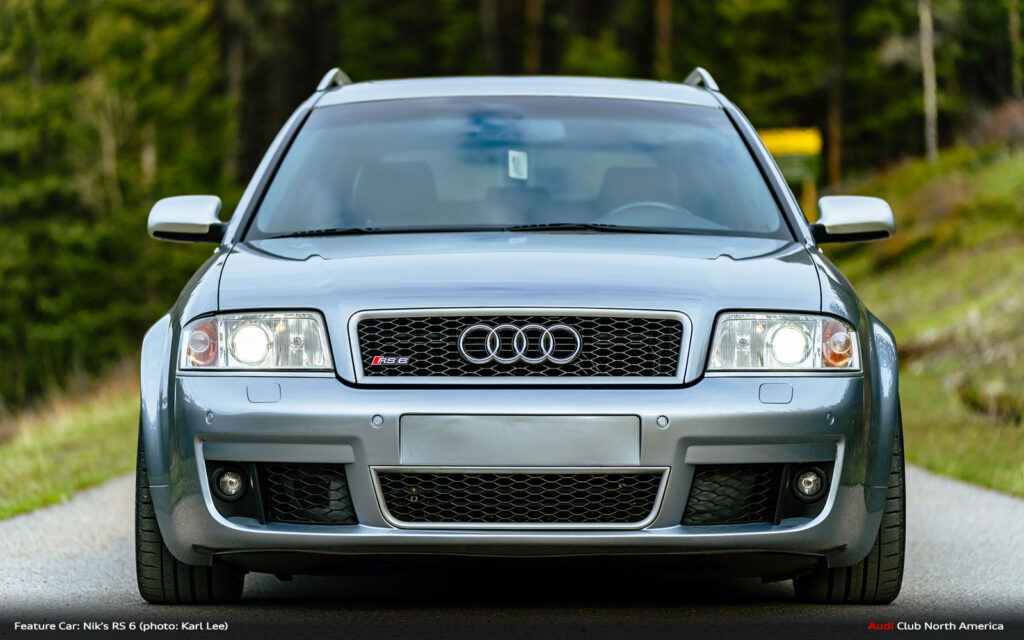
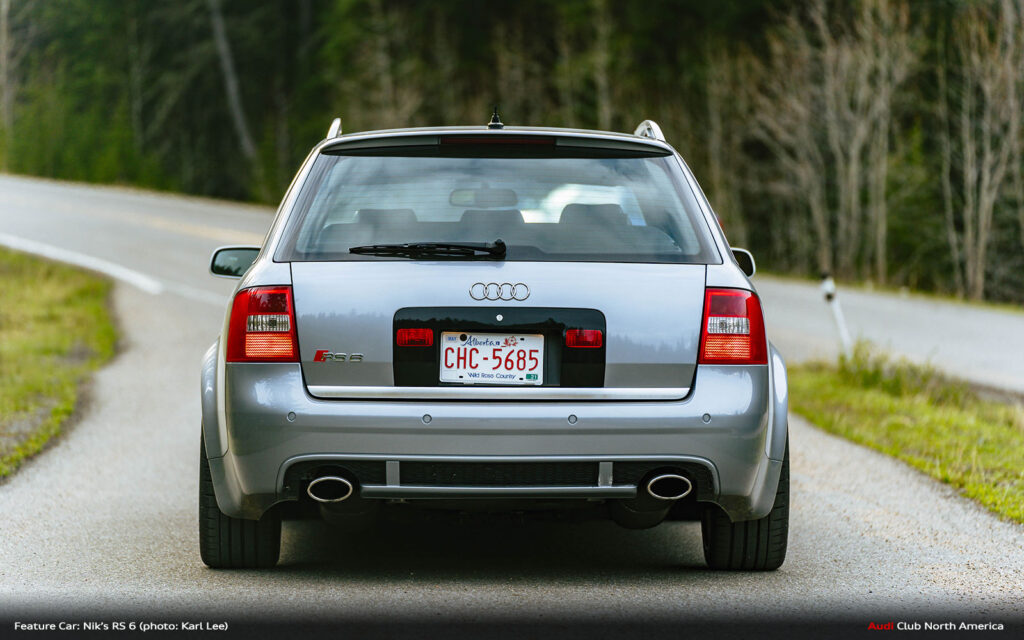
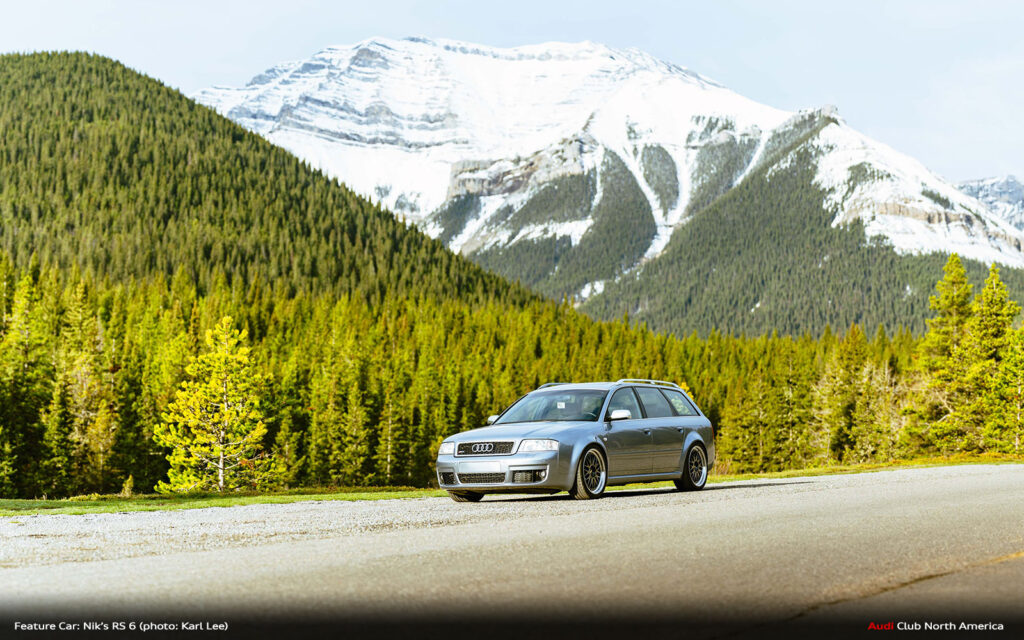
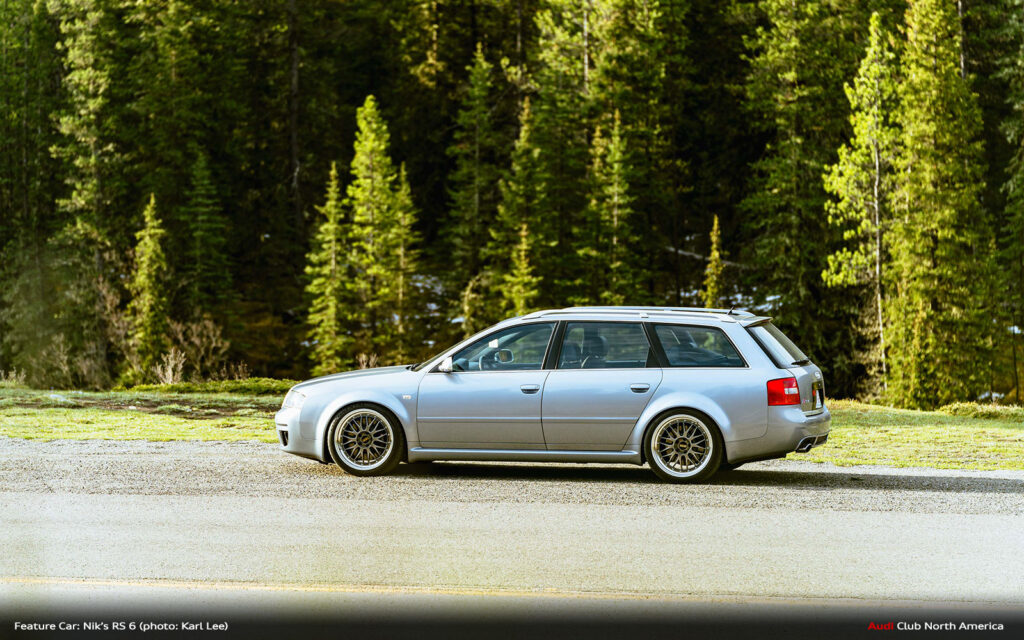
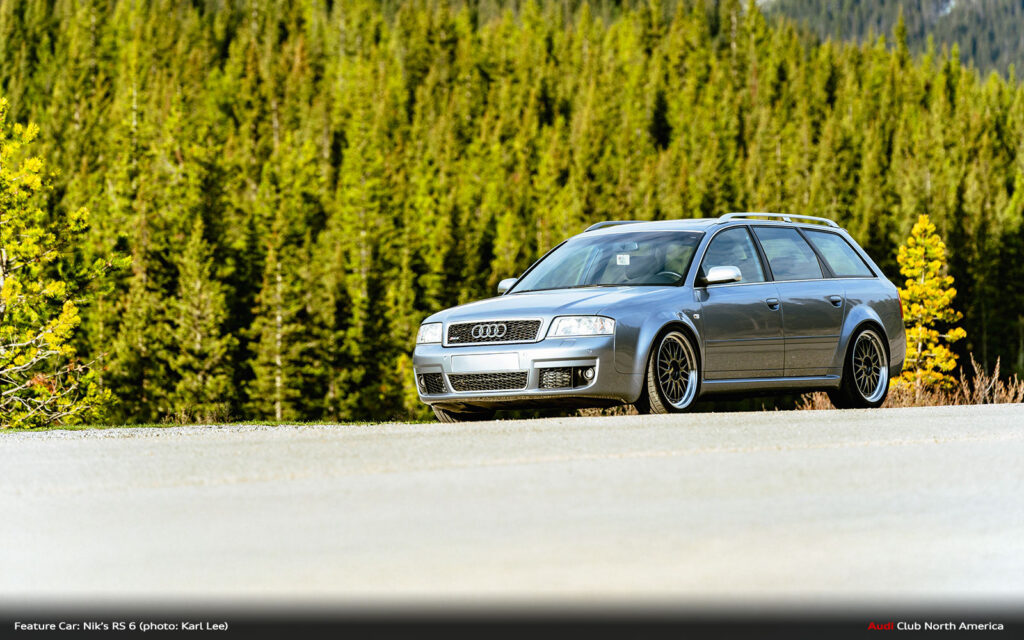
Will all the necessary maintenance now complete, this brought the build to aesthetics. Nik’s goal was to keep the car as stock as possible in order to really live in that era of Audi design, though finesse it a little to ensure it would catch only the keenest of eyes to realize it wasn’t your run-of-the-mill Avant. Wheel selection was important, as it is in any build, and turned out to be a little tricky since there is not a surplus of space in those wheel wells thanks to those beefy eight-piston calipers. In the end, and with the fortuitous timing of a new model release, the obvious choice was a set of classic BBS LM’s. Now wrapped in Continental ExtremeSport 02’s, the ride height was adjusted down to fill the arches reasonably while still maintaining that drivability that the RS 6 is designed for. What’s the point of having such a good grocery-getter, if you can’t even take it to get the groceries?
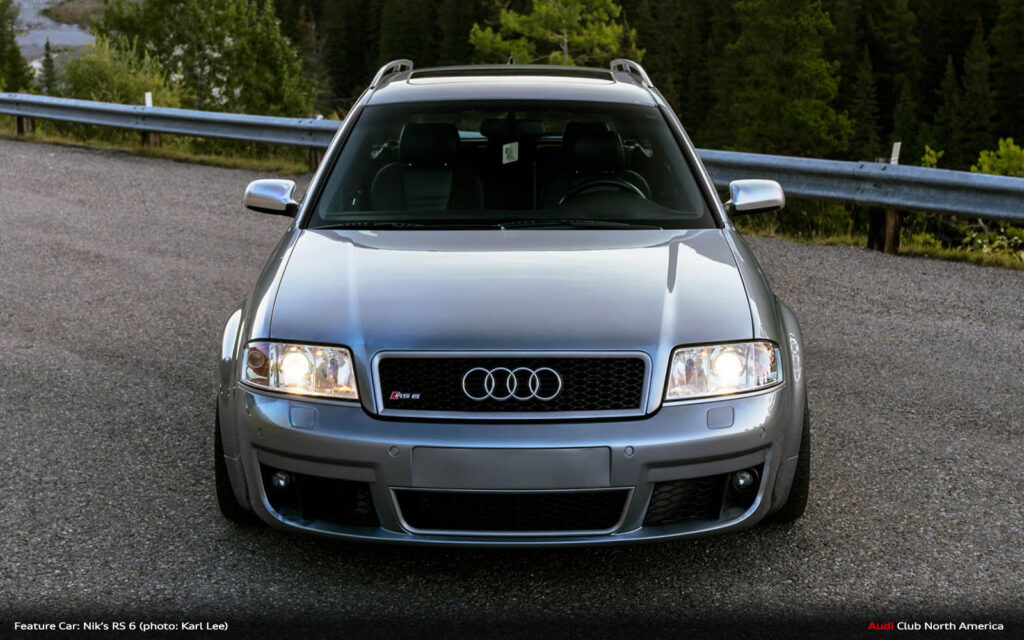
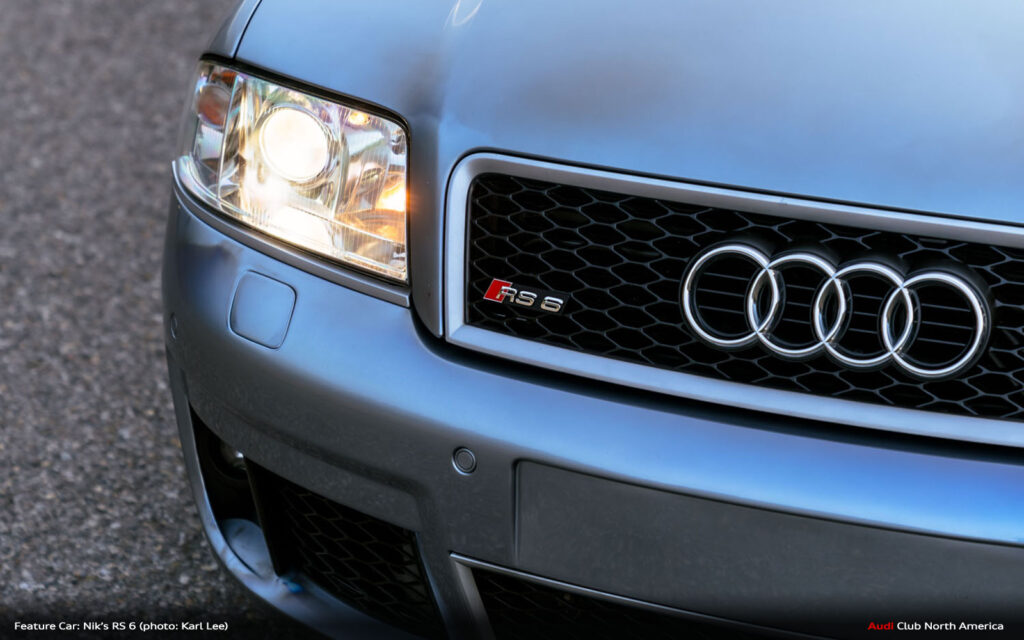
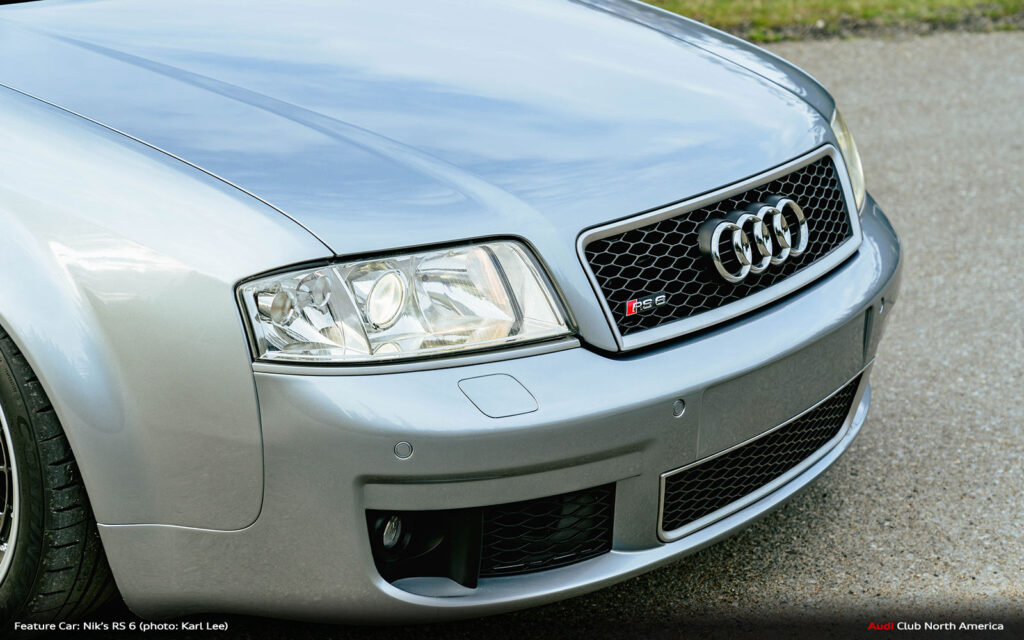
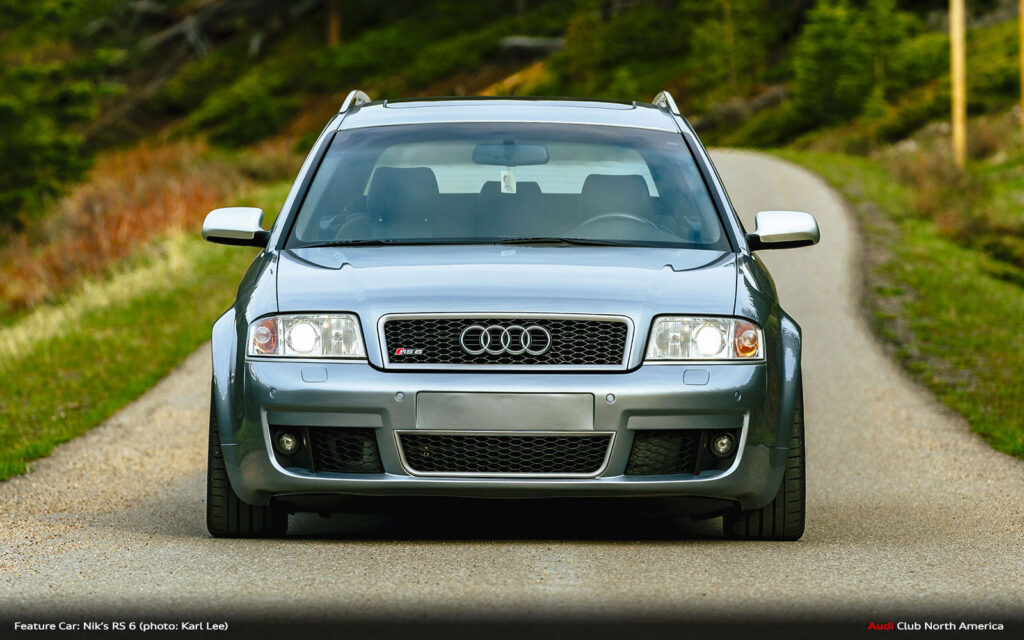
Cosmetically, the front end had experienced some chips and scuffing in its previous life. As a result, it was resprayed and the front bumper license bracket holes were filled to allow for a cleaner look thanks to living in a jurisdiction where no front plate is required.
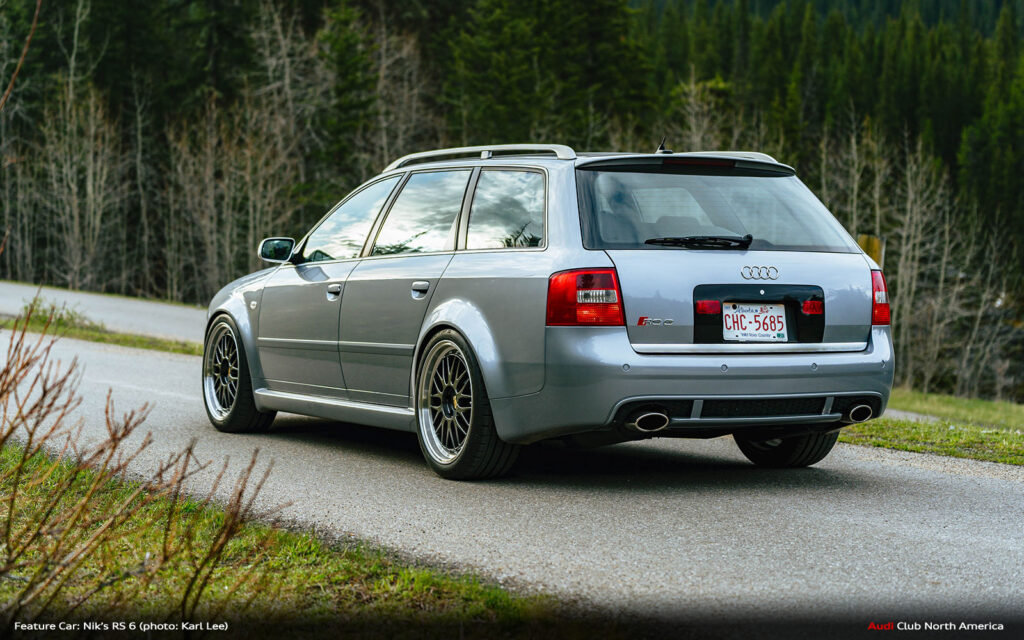
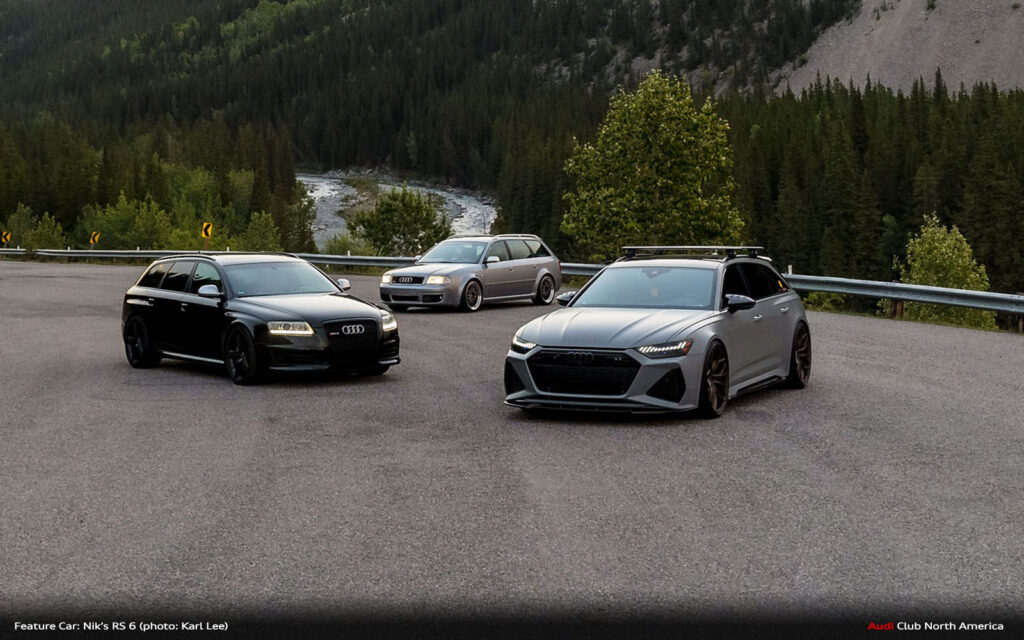
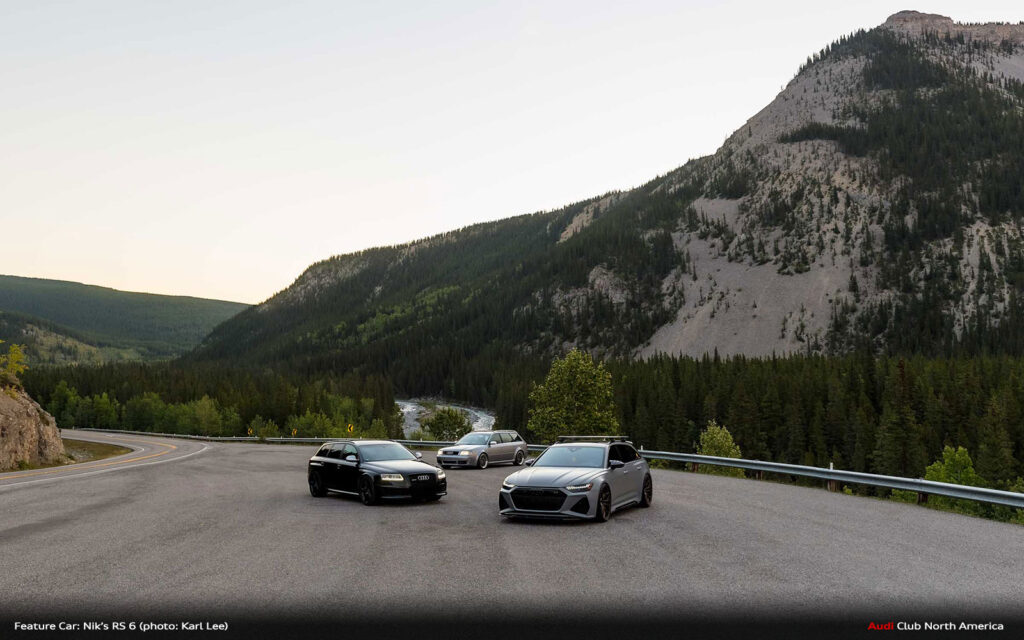
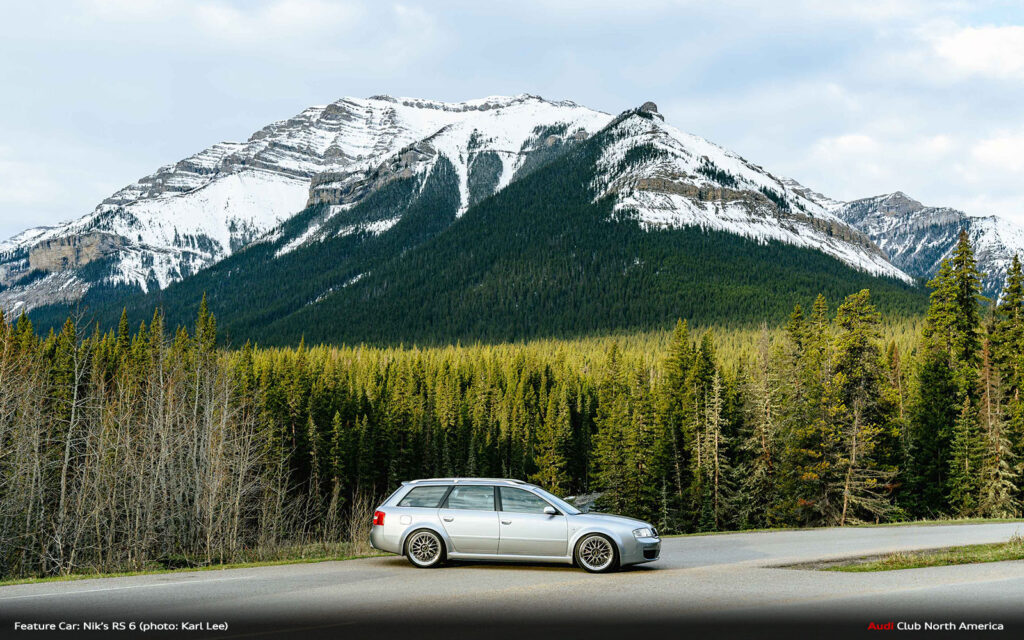
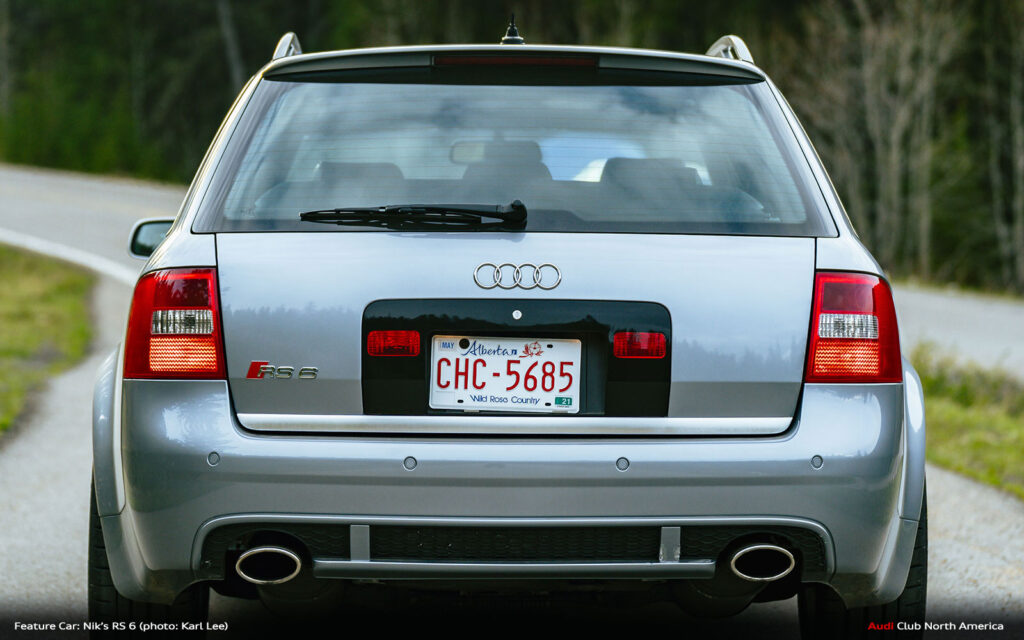
Then, it was complete. Nik has always had a strong urge to tinker with it, but has resisted thus far to keep it true to form. From its birth in Neckarsulm, Germany, its early life in Japan, to its current home at the base of the Canadian Rockies, this RS 6 Avant is still a prime example of the late 1990/2000 aesthetic that made Nik fall in love with the brand so early on, though with a healthy dose of performance and utility sprinkled on top of course.



Responses