

Audi Makes its Position Clear on Potential F1 V10 Engine Pivot

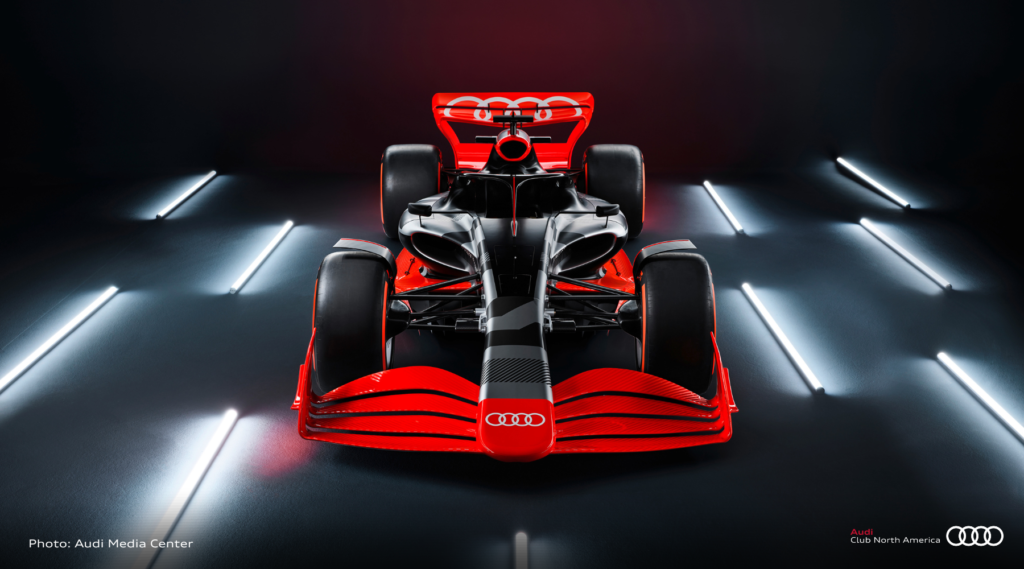
Audi has made its position clear: it fully supports Formula 1’s planned 2026 hybrid engine regulations and opposes any shift toward a V10-powered future. The FIA has been exploring the idea of moving away from the upcoming hybrid power units in favor of V10s running on sustainable fuels as early as 2028 or 2029. While this concept has gained backing from teams like Ferrari and Red Bull, Audi has emphasized that the 2026 regulations were central to its F1 commitment. In a statement, the company said, “The upcoming regulation changes, including the new hybrid power unit regulations set for the 2026 season and beyond, were a key factor in Audi’s decision to enter Formula 1. These power unit regulations reflect the same technological advancements that drive innovation in Audi’s road cars.”
Discussions around a potential V10 shift have also raised questions about whether the 2026 rules should proceed at all or if the current power units should be extended until a new engine formula is finalized. However, delaying the hybrid regulations presents logistical challenges, particularly for Audi and Red Bull/Ford, which are both developing new engines specifically for the 2026 framework. The hybrid formula was designed to reduce costs, increase electrical power output, and run on fully sustainable fuels, making it an attractive option for manufacturers like Audi, Honda, and Ford. Notably, Honda had originally planned to exit F1 but reversed course due to the new hybrid formula’s appeal, securing a deal to supply Aston Martin in 2026. A sudden change in regulations could disrupt this transition, forcing manufacturers to rethink their long-term F1 strategies.
While Audi’s opposition to a V10 transition is firm, it alone would not be enough to block a rule change if Mercedes and Honda were to align with Ferrari and Red Bull in supporting the shift. However, FIA officials have suggested that they will not push through rule changes if it would unfairly disadvantage certain manufacturers. With Audi investing heavily in its F1 program—including its acquisition of Sauber and development of its own power unit—any sudden regulatory shift could create financial and technical complications for teams relying on the 2026 hybrid era.


Responses